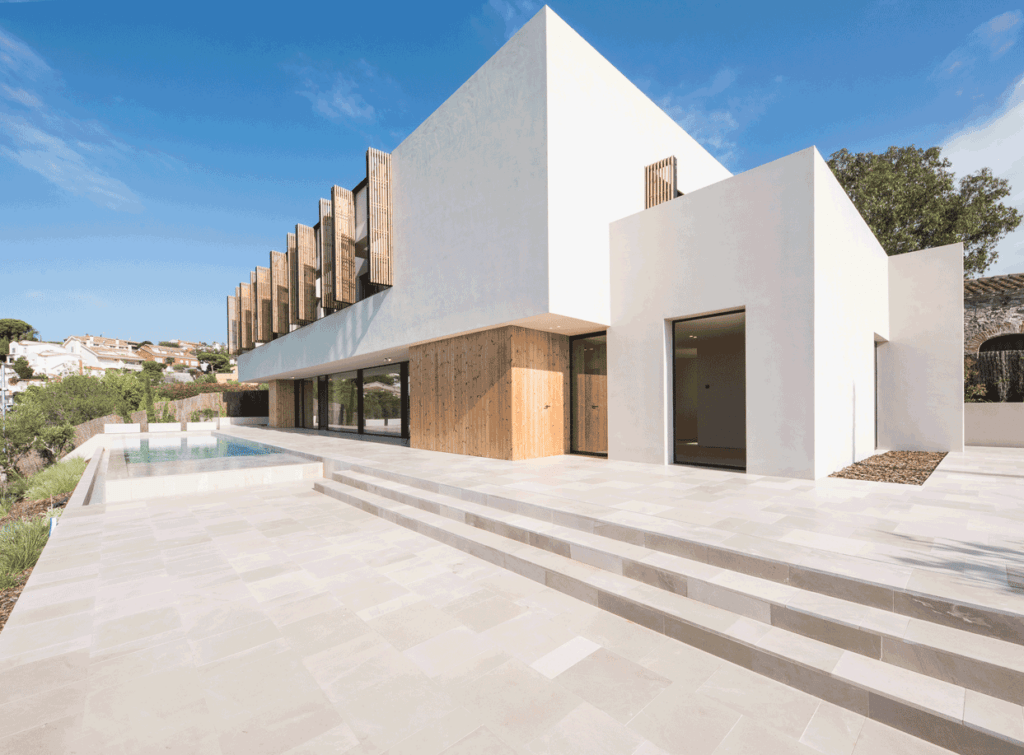
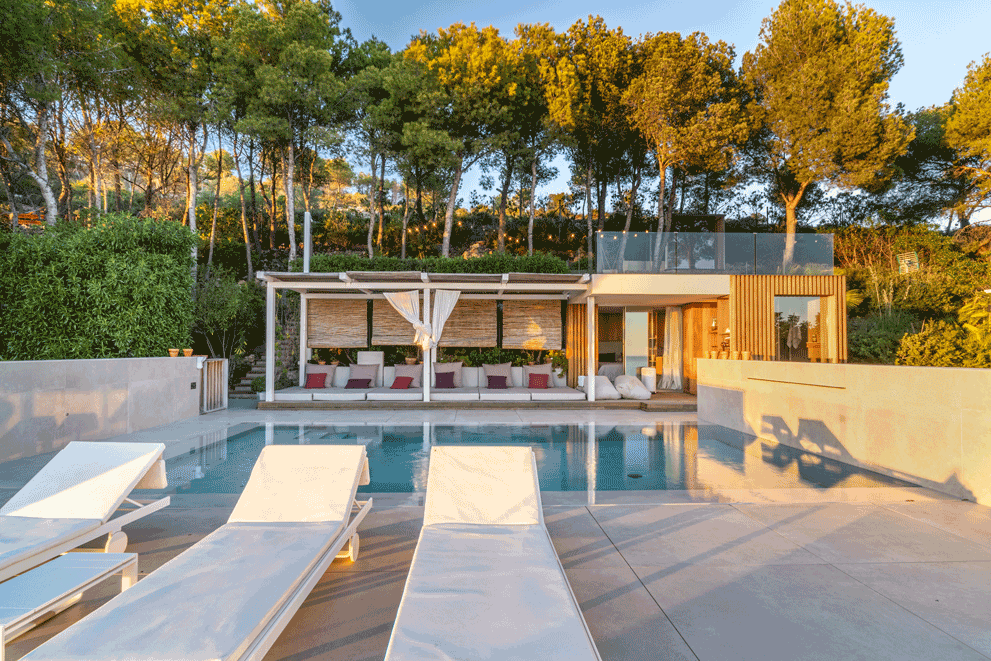
The real estate market is experiencing a remarkable surge, with luxury homes at the forefront of this growth. Recent analyses predicts a 40% increase in luxury home sales, a trend that not only highlights the resilience of the high-end market, but also signals a shift in consumer confidence and real estate investment strategies.
At Atipika we have been experts in managing the sale and purchase of luxury homes for more than 25 years. That''s why we wanted to delve into the dynamics behind this significant growth, offering insights into the drivers and what potential buyers should consider.
Market dynamics
In recent years, luxury homes have evolved beyond simple homes to represent a mix of financial astuteness and a reflection of personal lifestyle. In this section of the article, we want to examine what motivates high-net-worth buyers to seek a higher, more luxurious standard of living.
Why luxury homes are outperforming better
The luxury home market is distinguished not only by its resilience, but also by its ability to thrive in diverse economic environments. Several key factors contribute to the strong performance of this market segment:
Low Interest Rates: Historically low interest rates have been an important driver of the luxury home market. These rates facilitate access to more affordable financing, allowing buyers to acquire high-value properties with lower financing costs. As a result, more investors and buyers are incentivized to enter the luxury market, either as an investment or as a primary home purchase.
Wealth accumulation: The growing disparity in the distribution of wealth has resulted in a ultra-wealthy class whose assets have grown exponentially. This segment of the population is constantly looking for safe and profitable investment opportunities, and luxury properties offer just that. Furthermore, in times of economic uncertainty, real estate, especially luxury real estate, is seen as a safe haven compared to more volatile options such as the stock market.
Lifestyle changes: The global pandemic has redefined housing preferences for many, including luxury buyers. With a renewed focus on comfort and privacy, luxury homes that offer spacious living spaces, advanced amenities and exclusive locations have seen a surge in demand. People are now looking for homes that can serve as a complete personal retreat with home offices, fitness centers and entertainment.
Capital Internationalization: In a globalized world, capital knows no borders. Investors from around the world seek investment opportunities in stable and profitable real estate markets. Global cities such as Barcelona, New York, London, and Paris have always attracted the attention of international buyers looking to diversify their portfolios and secure assets in strategic locations.
Technological innovations: The luxury real estate industry has been an early adopter of advanced technologies, such as virtual tours and augmented reality, to enhance the buying experience. These tools allow potential buyers to explore luxury properties from anywhere in the world, facilitating faster and more efficient transactions.
Focus on sustainability and custom design: Sustainability has become a priority for many high-end buyers, who seek properties that are not only luxurious, but also environmentally friendly. In addition, customization in the design and features of luxury homes has allowed builders to offer unique options that meet the specific wants and needs of luxury buyers.
These factors create an environment in which luxury homes not only maintain their value, but also offer opportunities for growth in value, attractive to both residents and investors.
Taken together, these dynamics underscore why luxury homes are outperforming other segments of the real estate market.
Geographic hotspots for luxury housing
Luxury homes tend to be concentrated in specific locations that offer exclusivity, breathtaking views and accessibility to high-end amenities. Hotspots include prestigious urban areas, exclusive beach destinations and tranquil rural enclaves.
These locations attract buyers with their combination of privacy, security, and proximity to cultural and commercial centers, ensuring that the properties not only serve as comfortable homes, but also as solid investments that appreciate over time.
The role of technology in luxury home sales
Technology is transforming luxury home sales, improving the way these properties are marketed and sold. Tools such as virtual tours and augmented reality allow buyers to explore properties remotely, making the process more convenient and accessible.
In addition, the use of data analytics and artificial intelligence algorithms helps personalize the shopping experience and optimize prices, resulting in more efficient and satisfying transactions for both buyers and sellers.
Invest in luxury housing
Investing in luxury homes is considered a safe and profitable option due to the tendency of these properties to maintain or increase in value over time.
This market segment attracts investors seeking stability and good returns, offering exclusive properties in prime locations that tend to appreciate in value due to their constant demand and limited supply. In addition, luxury homes can offer additional benefits such as a high-quality lifestyle and access to premium amenities.
Is it safe to invest in luxury homes?
Investing in luxury homes is considered a safe option for a number of reasons that make it attractive to serious investors and property buyers:
Sustained value: Luxury properties tend to maintain their value, even in times of economic turbulence. Due to their desirable location, exclusive features and limited demand, these properties rarely suffer significant depreciation.
Long-term appeal: Unlike other segments of the real estate market, the luxury market is less susceptible to economic fluctuations. Buyers of this type of property tend to have more stable financial resources, which ensures continued robust demand.
Portfolio diversification:For investors, luxury properties offers an excellent diversification opportunity. Investing in high-end real estate can protect against volatility in other markets, such as equities and bonds.
Income potential: In addition to capital appreciation, many luxury properties offer the potential to generate income through short or long-term rentals, especially in tourist areas or major global cities.
Tax benefits: In some jurisdictions, owning luxury properties may offer tax advantages, such as depreciation deductions or incentives for real estate investments.
Lifestyle enhancement: Beyond the financial benefits, luxury homes offer an enriched lifestyle with access to premium amenities, exclusivity, and privacy that other properties cannot offer.
These combined factors make investing in luxury homes not only safe, but also potentially lucrative and rewarding from a personal and financial point of view.
The impact of economic trends on luxury house prices
Global economic trends have a significant impact on luxury home prices. Factors such as fluctuations in interest rates, changes in fiscal policies, and general economic stability can directly influence the valuation of these properties.
For example, in a low-interest-rate environment, it is common to see an increase in the purchase of luxury properties, as loans are more affordable.
On the other hand, in times of economic uncertainty, investors tend to seek safe assets, such as luxury real estate, which often hold their value better than other investments. In addition, inflation can raise the nominal price of property, while policies such as restrictions on foreign buying can reduce demand and put downward pressure on prices.
Predictions from luxury home sales experts
The future of the luxury housing market looks promising, with several emerging trends that could define the sector over the next five years. The luxury housing market is expected to continue to globalize, with more international investors entering emerging and established markets, driving demand and prices.
The adoption of advanced technology in the sales process will intensify. Tools such as virtual reality and artificial intelligence will not only enhance the buying experience, but also allow for a deeper personalization of properties according to buyers'' preferences.
Sustainable practices in the construction and maintenance of luxury homes will become more prevalent. Buyers will demand energy efficiency and eco-friendly materials, influencing both the design and operation of luxury properties.
Luxury properties are likely to maintain their value even in volatile economic times, cementing them as a safe and profitable investment.
It is anticipated that emerging generations of buyers, especially millennials and Gen Z who have accumulated wealth, will become significant players in the market, possibly shifting trends towards innovative locations and property features.
These predictions suggest continued dynamism in the luxury housing market, offering opportunities for both new buyers and experienced investors, while adapting their strategies to a changing and increasingly technological environment.
The projected 40% growth in luxury home sales is not just a statistic; it represents a dynamic change in both market conditions and consumer behaviour. For potential buyers and investors, the current climate offers a unique opportunity to capitalize on a robust market poised for considerable returns. Whether as a primary property or as an investment property, luxury homes are proving to be a wise choice for those looking to enhance their portfolios and lifestyles.
Here and here you can see how the luxury market in general is a growing market.
Frequently Asked Questions about Luxury Housing
¿Qué define a una propiedad como una casa de lujo?
Una casa de lujo se define por su ubicación privilegiada, construcción y acabados de alta calidad, dimensiones generosas, y acceso a servicios exclusivos como seguridad privada, tecnología de punta, y amenidades de lujo como piscinas, gimnasios y más. El precio también es un indicador clave, situándose generalmente en el top 10% del mercado local.
¿Cuáles son las implicaciones fiscales de poseer una casa de lujo?
Las implicaciones fiscales pueden variar según la ubicación, pero generalmente incluyen tasas impositivas más altas en comparación con propiedades estándar, impuestos sobre la propiedad, y posiblemente un impuesto sobre ventas de lujo. También es importante considerar posibles deducciones fiscales por inversión en propiedades, que varían por jurisdicción.
¿Cómo afecta la ubicación al valor de una casa de lujo?
La ubicación es crucial en la valoración de una casa de lujo. Propiedades en áreas deseables, como distritos centrales de ciudades importantes, costas exclusivas o áreas rurales de prestigio, tienden a mantener o aumentar su valor con el tiempo. La proximidad a servicios de lujo como boutiques, restaurantes, gourmet, y arte y cultura también eleva su valor.
¿Qué deberían buscar los compradores potenciales en una inversión de casa de lujo?
Los compradores deberían considerar la calidad de construcción, la reputación del desarrollador, la estabilidad del mercado inmobiliario local, y el potencial de revalorización de la propiedad. Además, es importante evaluar la seguridad, privacidad, y las amenidades ofrecidas para asegurarse de que cumplen con sus expectativas de un estilo de vida de lujo.
¿Existen riesgos involucrados en invertir en casas de lujo?
Como cualquier inversión, las casas de lujo conllevan riesgos, incluyendo fluctuaciones del mercado, cambios en las leyes fiscales y de zonificación, y posibles dificultades en la reventa, especialmente en mercados saturados o en declive. Una evaluación cuidadosa y una planificación estratégica pueden mitigar estos riesgos.
¿Cómo puedo obtener la mejor oferta en una casa de lujo?
Para obtener la mejor oferta, es crucial investigar el mercado, conocer el valor real de las propiedades comparables, y estar preparado para negociar. Trabajar con un agente inmobiliario especializado en el sector de lujo puede proporcionar acceso a listados exclusivos y aconsejar sobre el momento adecuado para hacer una oferta. También puede ser útil estar listo para actuar rápidamente cuando se presenta la oportunidad adecuada.
 Castellano
 Català
 English