Catalonia is a region where architecture is not only built, but truly lived. Its diversity of styles —from Romanesque in the mountains to coastal Modernism, including Indianos houses, urban rationalism and contemporary architecture— shapes a unique landscape that directly influences the value of properties.
When a home is surrounded by heritage, design or history, its value goes beyond location: it becomes an expression of identity, culture, and projection.
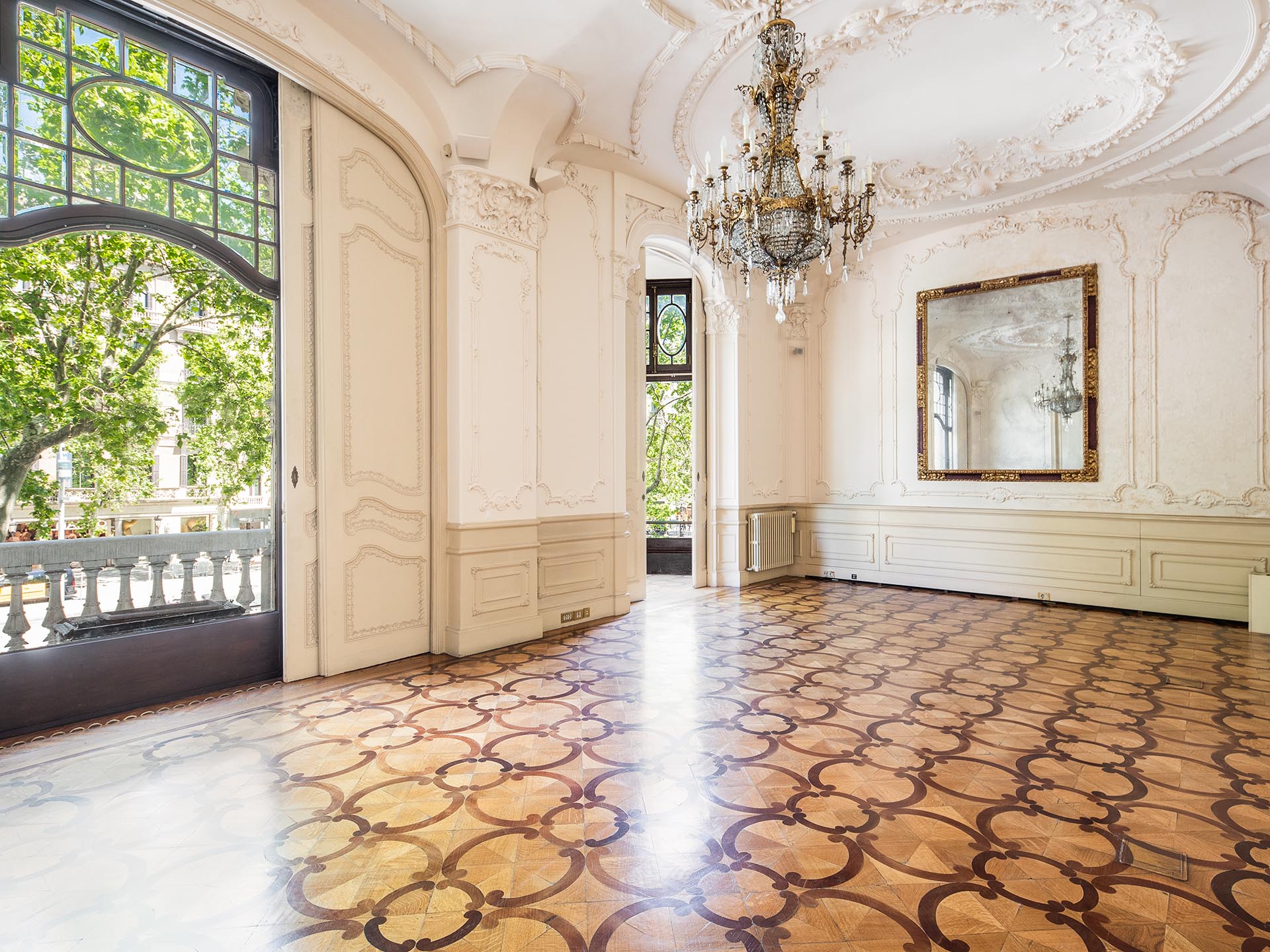
Catalan Modernism: artistic heritage serving the residential landscape
Catalan Modernism was not just an aesthetic trend, but a revolutionary way of understanding architecture as a total form of expression. Emerging at the end of the 19th century during a time of industrial and cultural effervescence, Modernism responded to a bourgeois society eager to distinguish itself through art, technical innovation and refined construction.
This movement was led by renowned figures such as Antoni Gaudí, Josep Puig i Cadafalch and Lluís Domènech i Montaner, but also featured dozens of local architects, artisans, and builders who reinterpreted its principles with extraordinary formal richness. The use of ceramics, wrought iron, hydraulic mosaic tiles, stained-glass and carved stone turned each building into a unique piece, deeply integrated into the urban and social context.
Catalan cities filled with undulating façades, wrought iron balconies, ceilings with symbolic frescoes and entrance halls decorated with marble, noble wood and handcrafted mosaic. This was not ostentatious luxury, but rather a search for everyday beauty, functionality, and symbolism, where each architectural element served an aesthetic and narrative purpose.
In towns such as Barcelona, Sitges, Canet de Mar, Terrassa, Reus or Mataró, many of these buildings have survived, now turned into private homes, renovated complexes or listed buildings. Some areas, such as the Eixample of Barcelona, the seafront promenade of Sitges or the historic centres of Sant Cugat del Vallès and Premià de Dalt, have become highly sought-after real estate locations thanks, in part, to the presence of this heritage.
The preservation and restoration of Modernist buildings has become a key factor for certain buyers. Homes that retain original features —such as coffered ceilings, hydraulic floors or restored doors— increase not only in economic value but also in cultural and emotional worth. These are properties that cannot be replicated, offering uniqueness and attracting a public sensitive to aesthetics, art, and a sense of identity.
Moreover, the surrounding environment also benefits. Streets with Modernist buildings often enjoy urban protection, lower density for transformation and special care from public authorities. This contributes to greater long-term value stability and more harmonious urban living.
Catalan Modernism doesn’t just beautify — it distinguishes and projects. It’s an architecture that doesn’t age, but matures with time, offering a lifestyle rooted in identity, history and cultural projection.
Indianos houses and overseas architecture: a legacy that endures
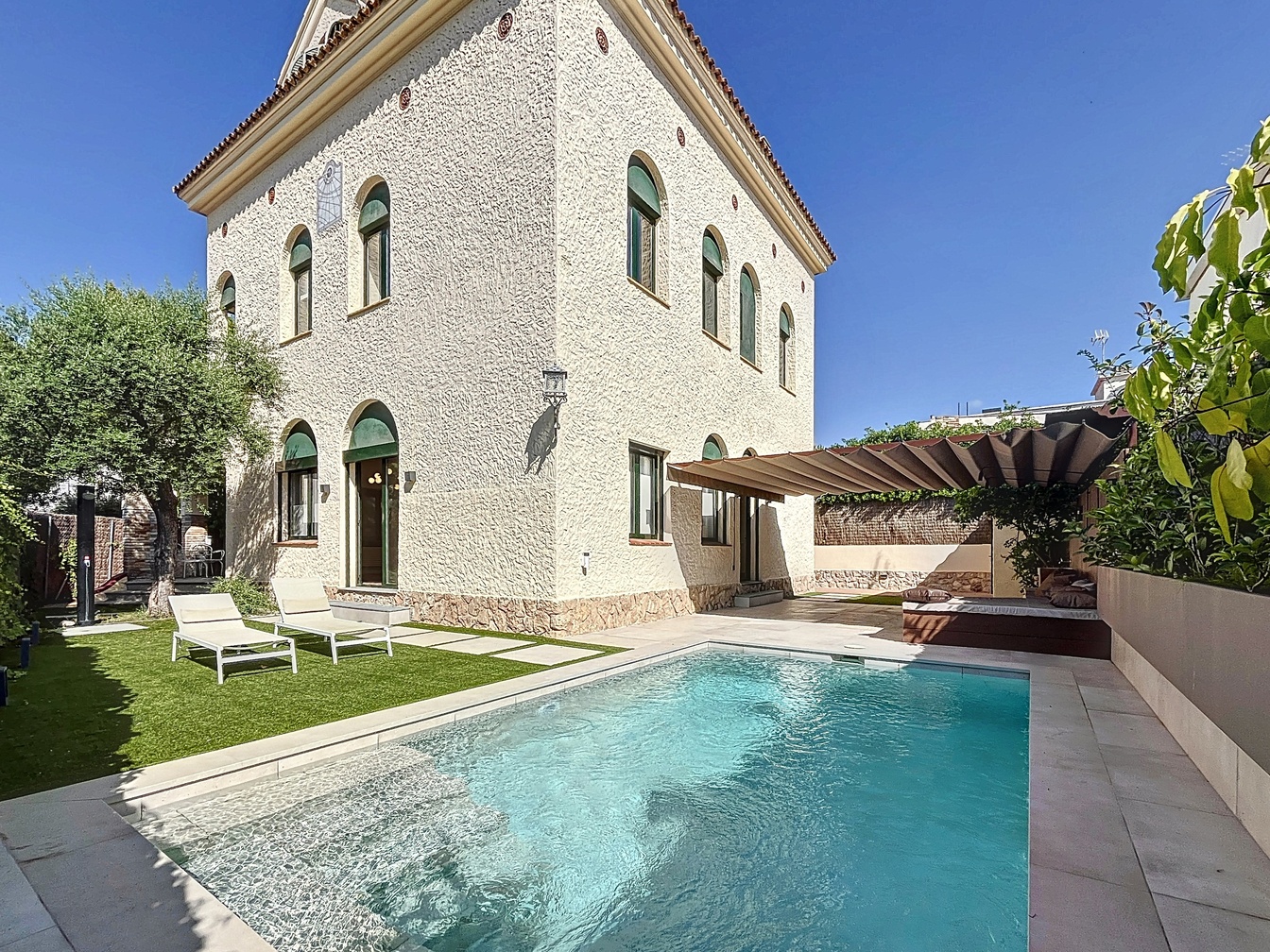
One of the most unique chapters in Catalonia’s architectural history is represented by the Indianos houses, built between the late 19th and early 20th centuries by emigrants who had made their fortune in the Americas—especially Cuba, Puerto Rico, Mexico, or Argentina. Upon returning, these families invested in homes that reflected not only their new economic status but also the cultural and aesthetic influences acquired across the Atlantic.
These buildings are mainly found along the Catalan coast—particularly in the Maresme, Baix Empordà, and specific areas of Barcelona and Sitges—and they form part of a valuable architectural heritage with great historical and symbolic significance. Their colorful facades, wrought iron balconies, spacious gardens and open galleries are a synthesis of colonial styles reinterpreted using local materials and Catalan craftsmanship.
Unlike Modernist architecture, these homes were not designed for urban display but as family retreats focused on well-being. They are usually set on generous plots, surrounded by vegetation, often with sea views and carefully oriented to maximize natural light and cross ventilation. They feature elements such as lookout towers, centenary palm trees, fountains or ceramic benches, evoking a tropical language and the memory of travel.
Over time, many of these homes were abandoned, repurposed or converted into public buildings, but a significant number have been preserved or sensitively restored. When they remain faithful to their original structure and are updated with contemporary technical standards, these properties spark increasing interest among international buyers, architecture collectors, and those seeking character-filled spaces with a unique story.
Towns such as Sant Andreu de Llavaneres, Cabrera de Mar, Arenys de Mar, Begur or Caldes d’Estrac feature remarkable clusters of Indianos houses that today form part of the residential appeal of the area. In some cases, special heritage protection plans have been implemented to limit aggressive interventions, ensuring the preservation of the surroundings and reinforcing long-term property value stability.
From an investment perspective, these are unique and often irreplaceable properties due to their size, location or historical significance. They offer a living experience tied to storytelling, aesthetics and Catalan identity in connection with the wider world. Their structural features also allow for modern adaptations without compromising authenticity, making them suitable for contemporary lifestyles, hybrid work and evolving family needs.
Atipika has managed transactions involving various homes of this kind, always with a respectful, discreet and professional approach. Our role has been to connect architectural value and quality of life with clients who understand housing not just as real estate, but as a reflection of personal and collective history. A history that remains alive in the facades, gardens and structure of these distinctive overseas homes.
Rationalist architecture: elegant functionality in the post-war era
Following the Spanish Civil War and in the midst of social, economic and urban reconstruction, Catalonia—like the rest of the country—underwent an architectural transformation inspired by rationalist principles. This movement, influenced by the European avant-garde of the early 20th century, introduced a new way of understanding housing: more functional, more hygienic, simpler, and better adapted to everyday needs.
Unlike the ornamental Modernism or the opulence of Indianos houses, rationalism embraced clean lines, geometric structures, flat roofs, open spaces, cross ventilation and intelligent use of natural light. It did not renounce beauty but rather sought it through proportion, order and efficiency. Form followed function—without decorative excess—but with a sober elegance that is still perceived as forward-thinking today.
Between the 1940s and 1970s, numerous rationalist homes were built in emerging residential areas across Catalonia, both urban and coastal. In Barcelona, excellent examples can be found in areas like Sarrià, Bonanova or Vallvidrera, where many professional families sought spacious, quiet places for a more private and stable lifestyle. On the coast, towns like Gavà Mar, Castelldefels, Sant Cugat, Cabrils or the Maresme interior also hosted rationalist projects, often in the form of single-family homes surrounded by nature.
These homes—usually one or two stories high, with terraces, simple volumes, and materials such as exposed concrete, wood, white brick or local stone—stood out for their adaptability and durability, which has aided their conservation to this day. Many have recently been renovated to include energy efficiency measures, smart systems or thermal insulation while preserving their original character.
In today’s market, this type of property is especially valued by architects, designers and aesthetically sensitive buyers who seek functional, liveable spaces with room for customization. They often offer flexible layouts, high ceilings, large windows and, in many cases, private landscaped plots.
At Atipika, we have observed growing demand for this housing type among national and international buyers who appreciate discretion, comfort and architectural potential. These are homes that don’t shout for attention but offer long-lasting quality of life and align with new residential trends: less ostentation, more honest design.
In times when architecture is challenged to combine sustainability, wellbeing and efficiency, mid-20th century rationalist homes stand out as a practical example of how to live well without excess, with respect for the environment and for the people who inhabit them. Living in one is to dwell in a piece of modern history, with all the potential of the present.
Contemporary architecture: sustainability and design with a Mediterranean soul
Contemporary architecture in Catalonia has not only inherited the legacy of previous styles but has reinterpreted it with a clear focus on the future. From the 1990s to the present, residential construction has undergone a profound transformation, guided by three key pillars: energy efficiency, functional design, and harmony with the surroundings.
This new architecture is defined not so much by a specific style as by an attitude: to build responsibly, beautifully, and adapted to real life. Instead of replicating historical models, contemporary architects in Catalonia have developed a distinctive language that combines Mediterranean minimalism, noble materials, technological innovation, and respect for the landscape.
In areas such as Diagonal Mar, Poblenou, Gavà Mar, Castelldefels, Sant Cugat, and the Costa Brava, residential developments and single-family homes have emerged that incorporate advanced construction solutions: ventilated façades, passive climate control systems, solar panels, smart lighting, green roofs, and integrated home automation. All with a refined aesthetic, where every element serves both a functional and visual purpose.
Many of these projects have been designed by prestigious architectural studios, both local and international, and have become benchmarks for a new way of living: more connected, healthier, and more sustainable. Interiors are open, flexible, and adaptable to remote work or growing families. Outdoor areas—gardens, terraces, interior patios—regain their central role as places for living and socializing.
This type of architecture appeals to buyers who value design quality as much as spatial efficiency. Tech professionals, digital nomads, international entrepreneurs, architects, and artists seek homes that not only meet functional needs but also reflect their lifestyle: balanced, mindful, and forward-thinking.
From a real estate perspective, contemporary properties with signature design or sustainable construction offer excellent value projection, especially in well-connected areas with quality services and protected natural environments. Their demand is stable, maintenance more efficient, and their ability to adapt to new regulations or living trends provides them with structural value compared to less versatile typologies.
Atipika has incorporated numerous properties of this kind into its portfolio, both in the city and along the coast. We work with developers and owners who share this contemporary vision of living: to build with the present in mind without compromising the future. For our clients, living in a well-designed contemporary home is not an aesthetic whim, but a strategic decision based on comfort, efficiency, and wellbeing.
Details that make the difference: the hidden value of architecture
Beyond architectural style, there are elements that significantly enhance a property's value:
- Preserved original elements: high ceilings, hydraulic tile floors, period woodwork, or restored frescoes add both heritage and aesthetic value.
- Renowned designers: properties designed by well-known local or international architects attract more interest from discerning buyers.
- Location near heritage sites: homes located near monuments, protected streets, or scenic environments enjoy greater long-term value stability.
- Architecturally respectful renovations: restorations that preserve original structures and noble materials improve both livability and perceived quality.
Coexistence of past and present: an investment with vision
In Catalonia, architecture is not static—it engages in dialogue with its surroundings and evolves over time. Homes with architectural value—whether through their history, design, or setting—offer more than just square footage: they offer context, narrative, and a sense of belonging. That is why investing in architecturally unique properties also means investing in culture, longevity, and a forward-looking mindset.
With over 20 years of experience managing properties with added value, Atipika carefully selects homes in areas where architecture not only complements but defines. We help you find spaces with soul, design, and coherence—whether you're looking for a home or a strategic investment.
If you are seeking a property where architecture makes a true difference, Atipika offers expert guidance and exclusive access to homes with history, design, and future projection.
 Castellano
 Català
 English
 Francais
 Italiano
 русский