Catalonia preserves in its rural landscape an architectural footprint that is, at the same time, a testimony of its history and a driving force of its real estate present: the masias. These constructions, originated in medieval times and perfected over the centuries, were once the center of agricultural and livestock activity. Today, many of them have been transformed into unique homes that combine the essence of the past with the comforts of the present.
Atipika, with more than two decades of experience, has witnessed and been a protagonist of this evolution, offering its clients properties that are not only a home, but also a legacy.
Catalan Masias, an Origin Linked to the Land
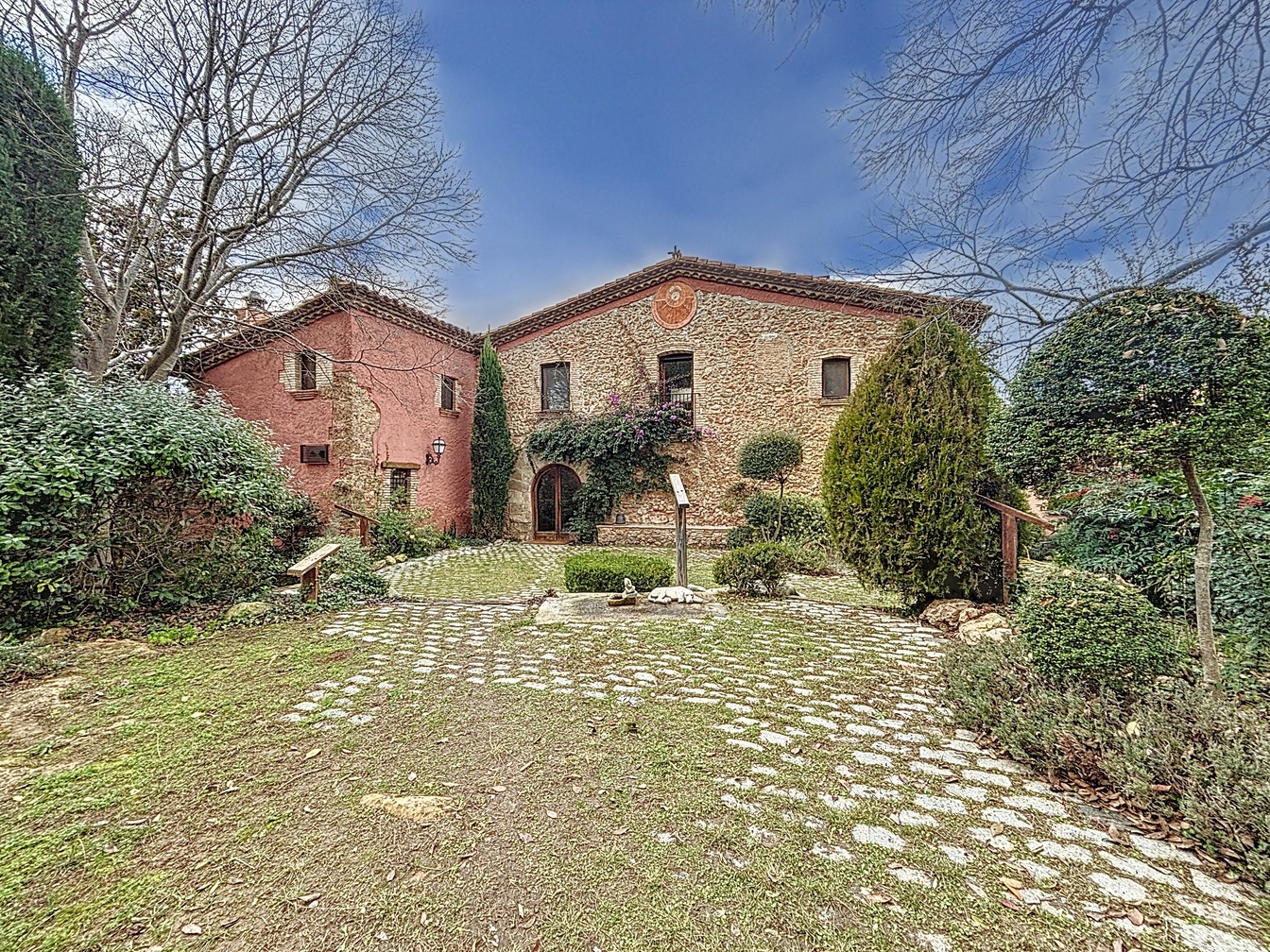
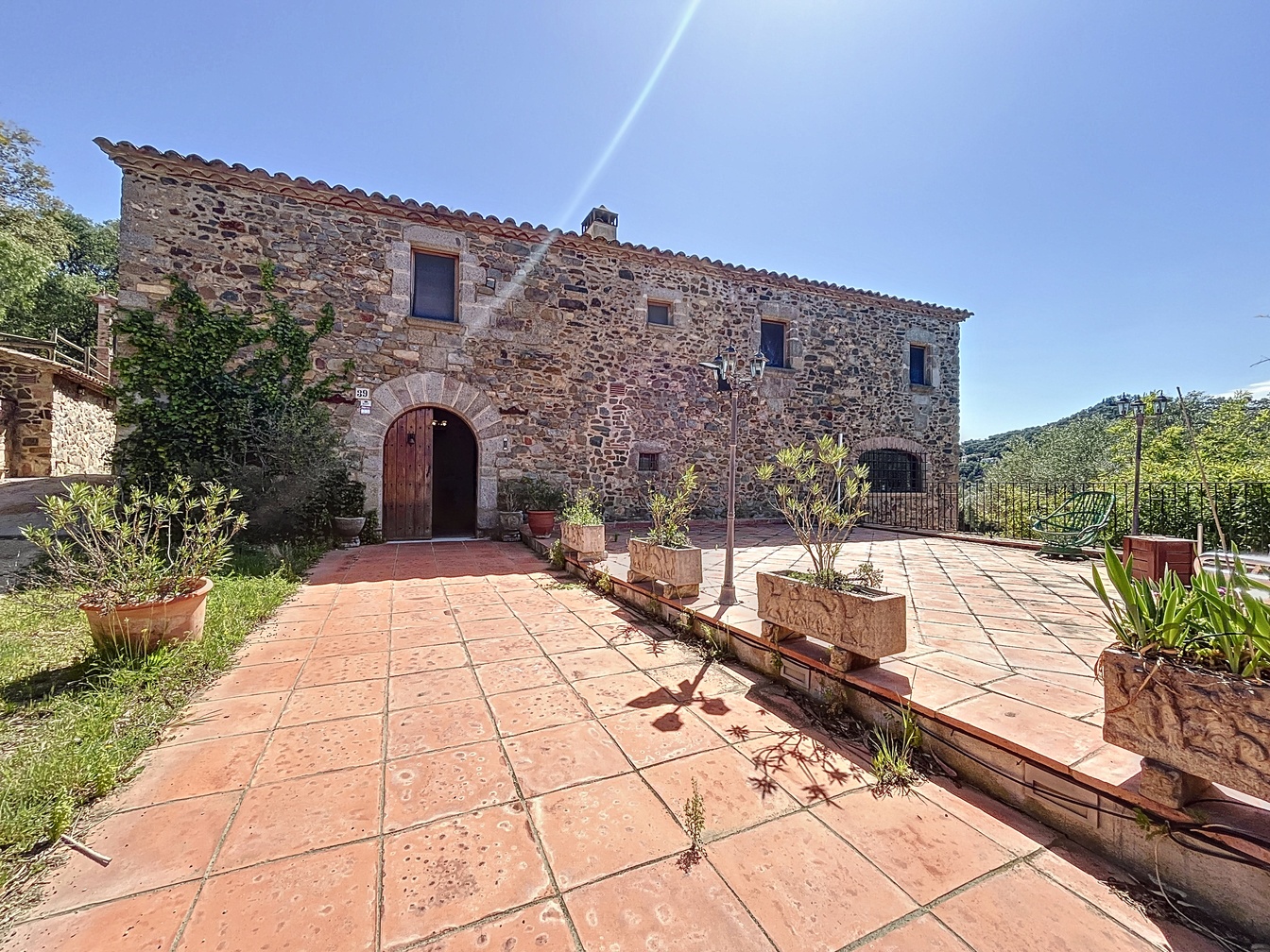
Masias emerged as authentic self-sufficient life centers, designed to integrate housing, storage, stable, and workspace under one roof. Built with stone extracted from the area itself, they not only responded to practical criteria, but also reflected the accumulated construction knowledge over generations.
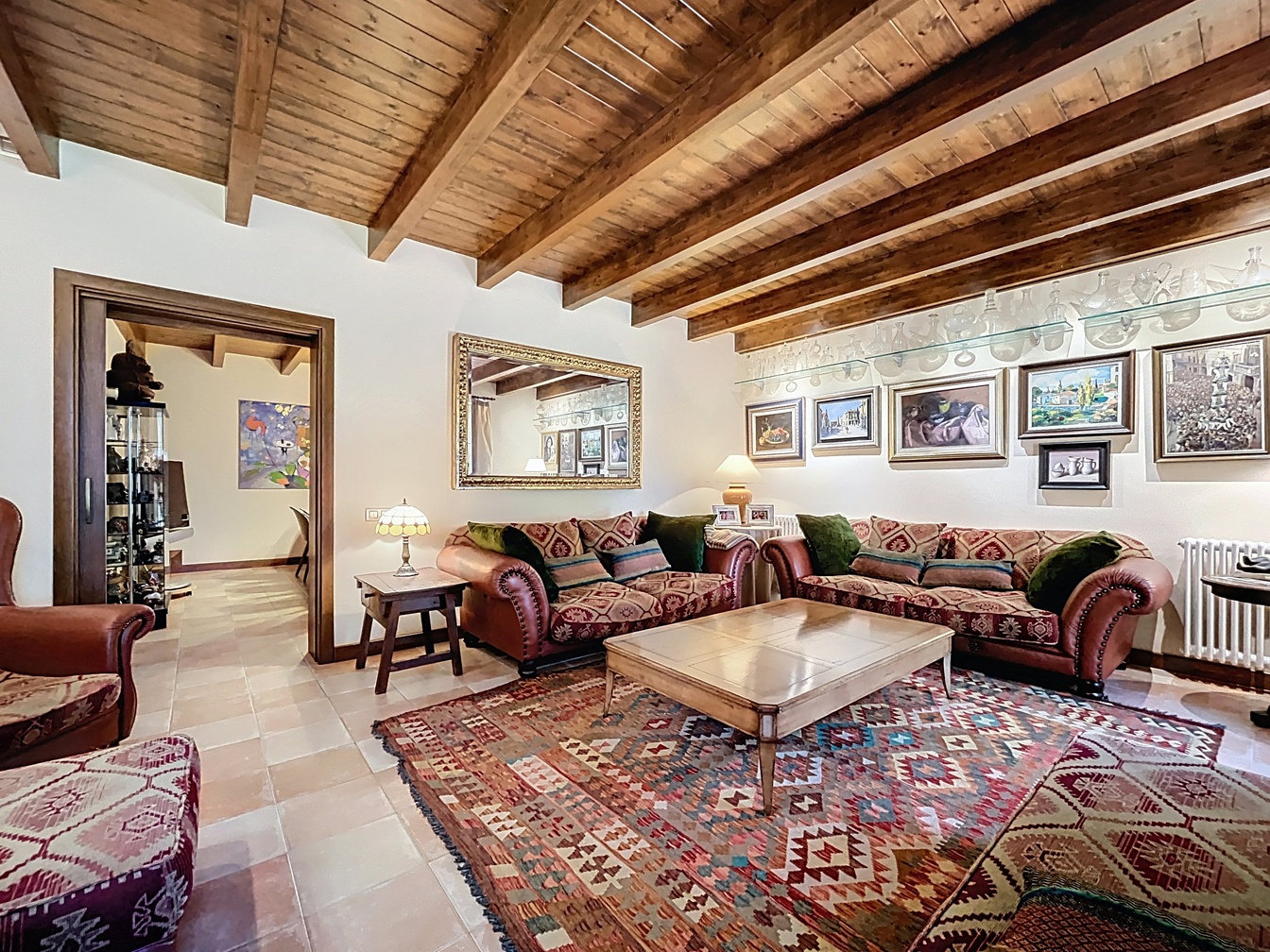
Their architecture was a direct response to the environment: thick walls that insulated from heat in summer and protected from cold in winter, sloping roofs covered with Arab tiles that facilitated rain drainage and, at times, collected water for domestic use. The spacious interiors, with wooden beam ceilings and earthen or stone floors, served both for grain and wine storage and to shelter animals during adverse weather periods.
Beyond their productive function, masias were the social and economic heart of the Catalan countryside. They were meeting points for neighbors and laborers, places where agricultural knowledge was transmitted, festivities were celebrated, and community matters were resolved. Each masia had its own name, often linked to the family that inhabited it or to some distinctive feature of the landscape, and that name became part of the local toponymy.
Throughout the centuries, these constructions witnessed political changes, wars, agricultural booms, and crises, but their role as a symbol of rootedness remained intact. The history of a masia is, in many cases, the history of a family saga that left its mark on the area and contributed to the development of the rural community surrounding it.
The Transformation towards the 21st Century
With the turn of the century, the progressive decline of traditional agricultural activity, coupled with the migration of many families to urban areas, left numerous masias in a state of abandonment or underutilization. Simultaneously, there was a growing interest in architectural heritage and life in more natural environments, leading to a new phenomenon: the rehabilitation of these properties for residential use and, in some cases, for high-value-added tourism projects.
This trend responds to two main objectives:
- Preserving architectural authenticity
Current rehabilitation aims to maintain the essence of the masia, preserving original stone facades, centuries-old wooden beams, and characteristic elements such as bread ovens, wine presses, or water wells. In many cases, specialized artisans are employed, using traditional construction techniques to ensure that interventions are consistent with the historical character of the building.
- Integrating comfort and contemporary technology
While respecting the original structure, modern solutions such as efficient climate control, home automation systems, intelligent lighting, and renovations that open up spaces for more open layouts are incorporated. Integrated swimming pools, landscaped gardens, and leisure areas are also added to transform the experience of inhabiting the masia.
This transformation has allowed properties located in enclaves such as Maresme, Alt Penedès, and other similar areas, to transition from symbols of an agricultural past to coveted options for a lifestyle that combines tranquility, nature, and proximity to major urban centers.
Furthermore, many of these rehabilitations have boosted the local economy, attracting both national buyers and international investors interested in preserving heritage and, at the same time, enjoying a unique environment.
An International and Demanding Buyer Profile
The interest in rehabilitated masias transcends Catalan borders. While the local buyer deeply values these properties for their historical significance and connection to the land, in recent decades the market has seen a growing demand from investors and families from across Europe —especially France, Germany, the Netherlands, the United Kingdom, and Nordic countries— as well as from emerging markets like the United States, the Middle East, and Asia.
For this profile, the masia represents much more than a home: it is an opportunity to acquire a unique property that combines architectural authenticity, privacy, and a high-quality Mediterranean lifestyle. Their main motivations often include:
- Strategic locations: many of these properties are located less than an hour from cities like Barcelona or Girona, with quick access to international airports, marinas, beaches, and natural parks. This proximity allows for enjoying rural tranquility without sacrificing global connectivity.
- Privacy and spaciousness: the lands accompanying a masia easily exceed several hectares, offering gardens, vineyards, olive groves, or private forests. This space allows for personal projects to be developed —such as organic orchards, wineries, or equestrian facilities— in a secure and discreet environment.
- Value projection: the sustained demand and limited supply of well-restored masias, combined with the increasing awareness of the value of architectural heritage, ensure stability and, in many cases, long-term appreciation. International buyers see these properties as solid investments, with potential for both personal use and select tourism exploitation.
- Mediterranean lifestyle: the climate, gastronomy, proximity to cultural enclaves, and the possibility of combining leisure and work thanks to digital connectivity make Catalonia an ideal destination for those seeking a lifestyle change without losing professional opportunities.
Atipika's Vision in this Market
At Atipika, we understand the expectations of this client profile and translate them into a tailored buying process, caring for every detail from the initial selection to the final signature, and providing advice on management, maintenance, and potential rehabilitation or expansion projects.
For this reason, we carefully select the masias we offer, evaluating not only their architectural condition but also their potential for appreciation and their coherence with the lifestyle our clients seek.
We collaborate with architects and rehabilitation specialists who understand the importance of preserving the original essence while adapting to the demands of contemporary habitability. Our goal is for each masia we market to be a unique piece, ready to become the setting for a new story.
Catalan masias represent much more than a property: they are living fragments of rural history, reinterpreted for a present that values authenticity, quality, and sustainability. Investing in one of them is, at the same time, preserving a legacy and enjoying an exclusive lifestyle connected to nature.
If you want to discover masias with character and potential, Atipika offers access to carefully selected properties in the most attractive areas of Catalonia.
 Castellano
 Català
 English
 Francais
 Italiano
 русский