The Catalan and Balearic coastline maintains a unique relationship with the sea. What were once humble fishing villages, today have been transformed into internationally attractive destinations, where history and tradition intertwine with a present marked by exclusivity and real estate projection. In this article, we explore how enclaves like Sitges, Gavà Mar, the Costa Brava, the Maresme, or Ciutadella in Menorca have evolved to become true Mediterranean landmarks.
Gavà, nature and modernity on the shores of the Mediterranean
Gavà, originally linked to fishing and agriculture, was for centuries an area where families lived off the fertile land and the nearby sea. Its farmlands and close relationship with the Llobregat Delta defined its landscape well into the 20th century. However, with the growth of Barcelona and the development of new communication infrastructures, this coastal strip began to undergo profound transformation.
In the mid-20th century, Gavà Mar transitioned from an agricultural territory to an expanding residential enclave. The urbanization of Gavà Mar was carried out with a strong landscaping component, largely respecting the natural environment of pine forests and dunes that characterize it. This combination of preserved nature and controlled development turned it into a model of exclusive coastal urbanism, far from the overcrowding experienced in other Mediterranean areas.
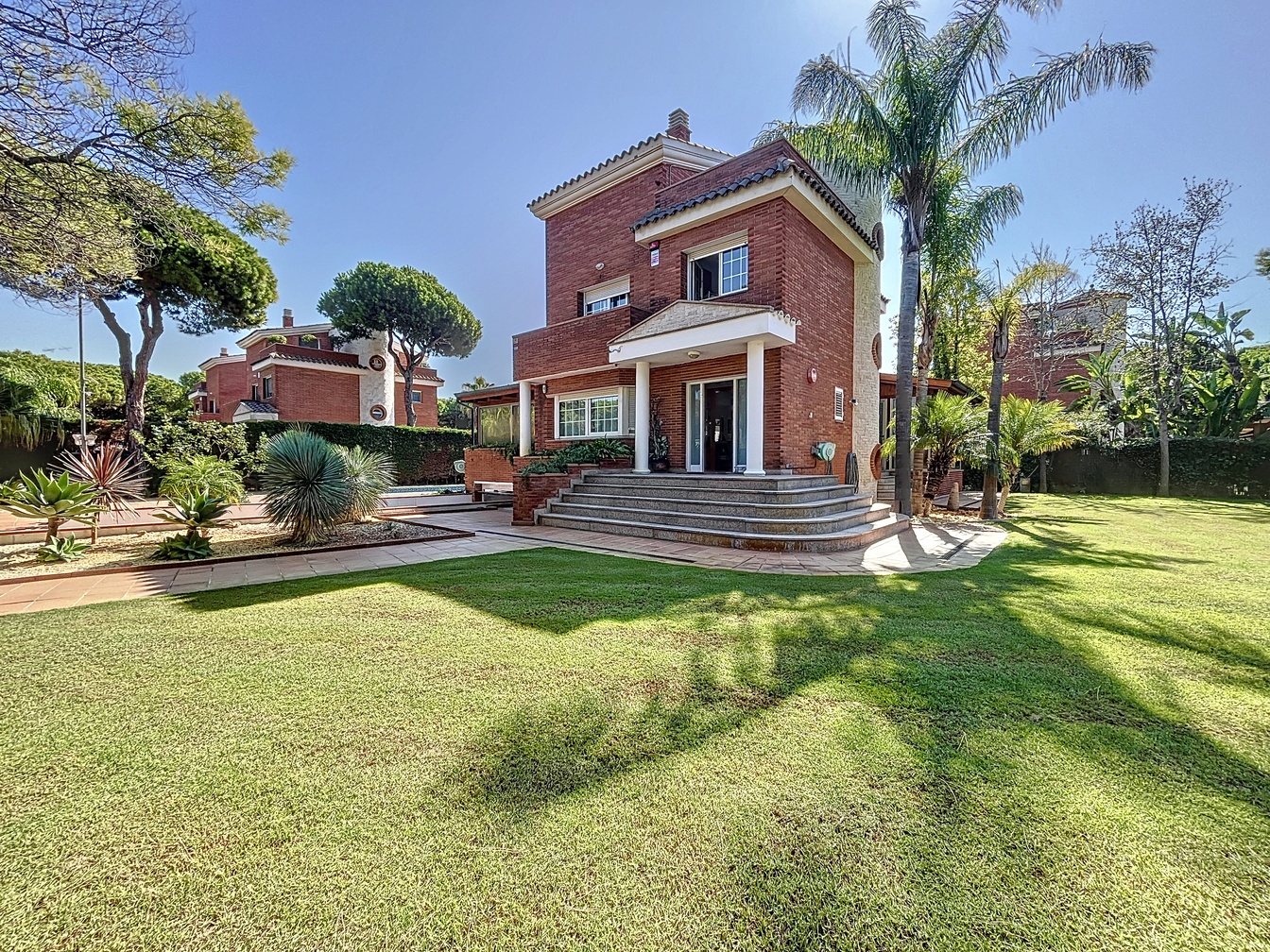
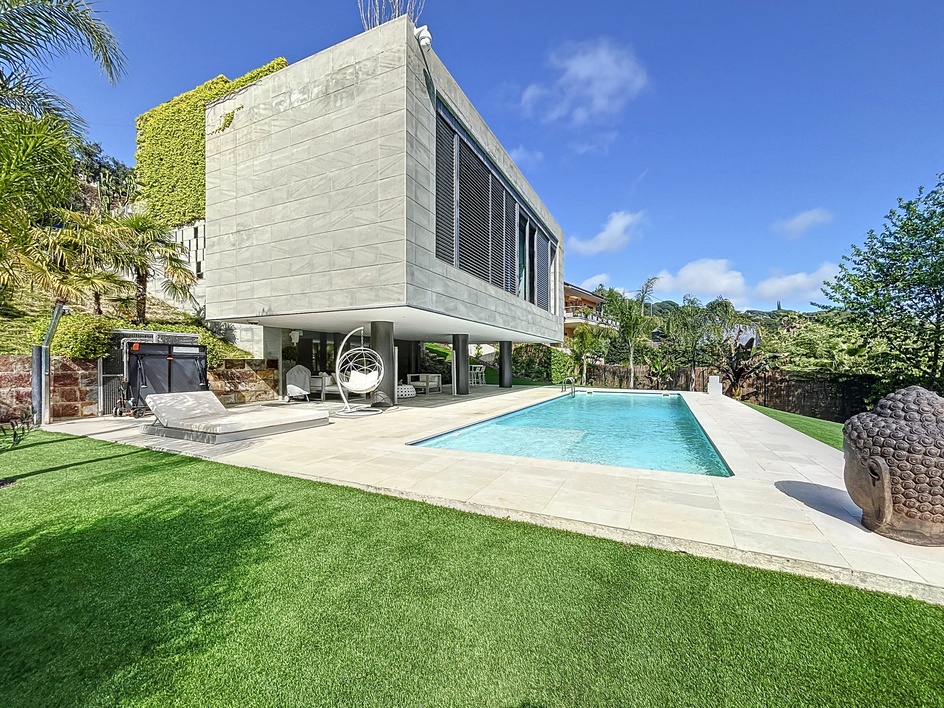
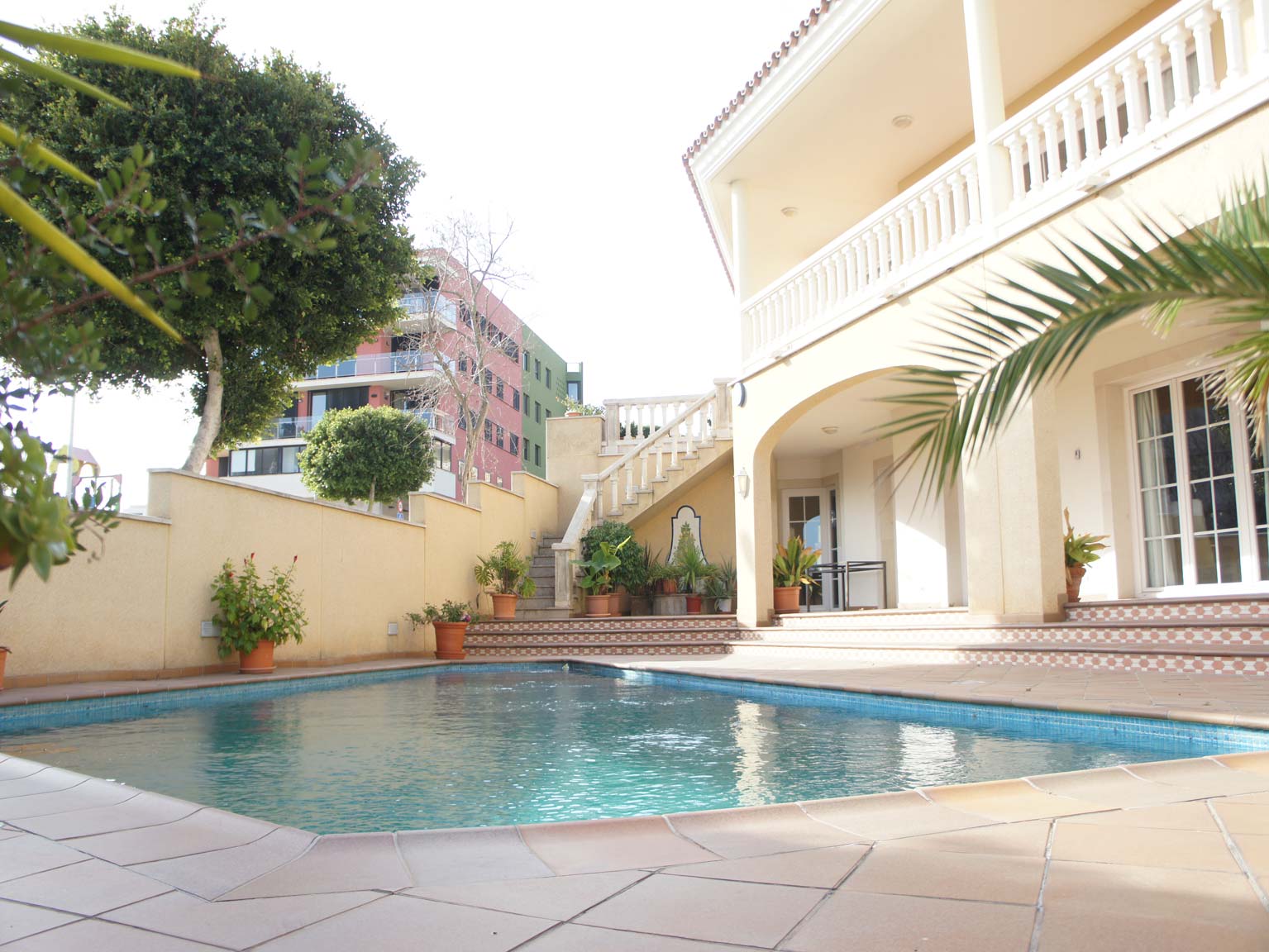
Today, Gavà Mar is recognized as a privileged space where the tranquility of a protected natural environment coexists with modernity of homes designed with criteria of quality and comfort. Contemporary villas with private gardens, single-family houses with direct access to the beach, and apartments with panoramic terraces are part of its real estate offer.
Furthermore, its proximity to Barcelona and the international airport of El Prat give it a unique strategic position. This combination of accessibility, privacy, and contact with nature makes Gavà Mar one of the most valued areas for those seeking a home on the Catalan coast with all the guarantees of exclusivity and future projection of value.
Sitges, from maritime trade to cultural avant-garde
In the 19th century, Sitges prospered thanks to overseas trade and the return of the so-called Indianos, who invested their fortunes in the construction of colonial and modernist style houses facing the sea. These buildings, many of which are still standing, marked a before and after in the town's urban planning and its image as a distinguished enclave.
Economic development not only brought unique architecture but also a strong cultural life. During the second half of the 19th century and the beginning of the 20th, Sitges became the epicenter of Catalan artistic modernism thanks to figures like Santiago Rusiñol, who promoted the Cau Ferrat as a center for gatherings and exhibitions. This cultural magnetism attracted writers, painters, and musicians who contributed to shaping the cosmopolitan identity of the town.
In parallel, the rise of festivals, such as the fantastic film festival from the 1960s onwards, further consolidated the international projection of the town, positioning it as a place where tradition, culture, and modernity naturally coexisted.
The appeal of its coastline, along with its proximity to Barcelona, favored the arrival of select tourism and international residents seeking an exclusive environment and high quality of life.
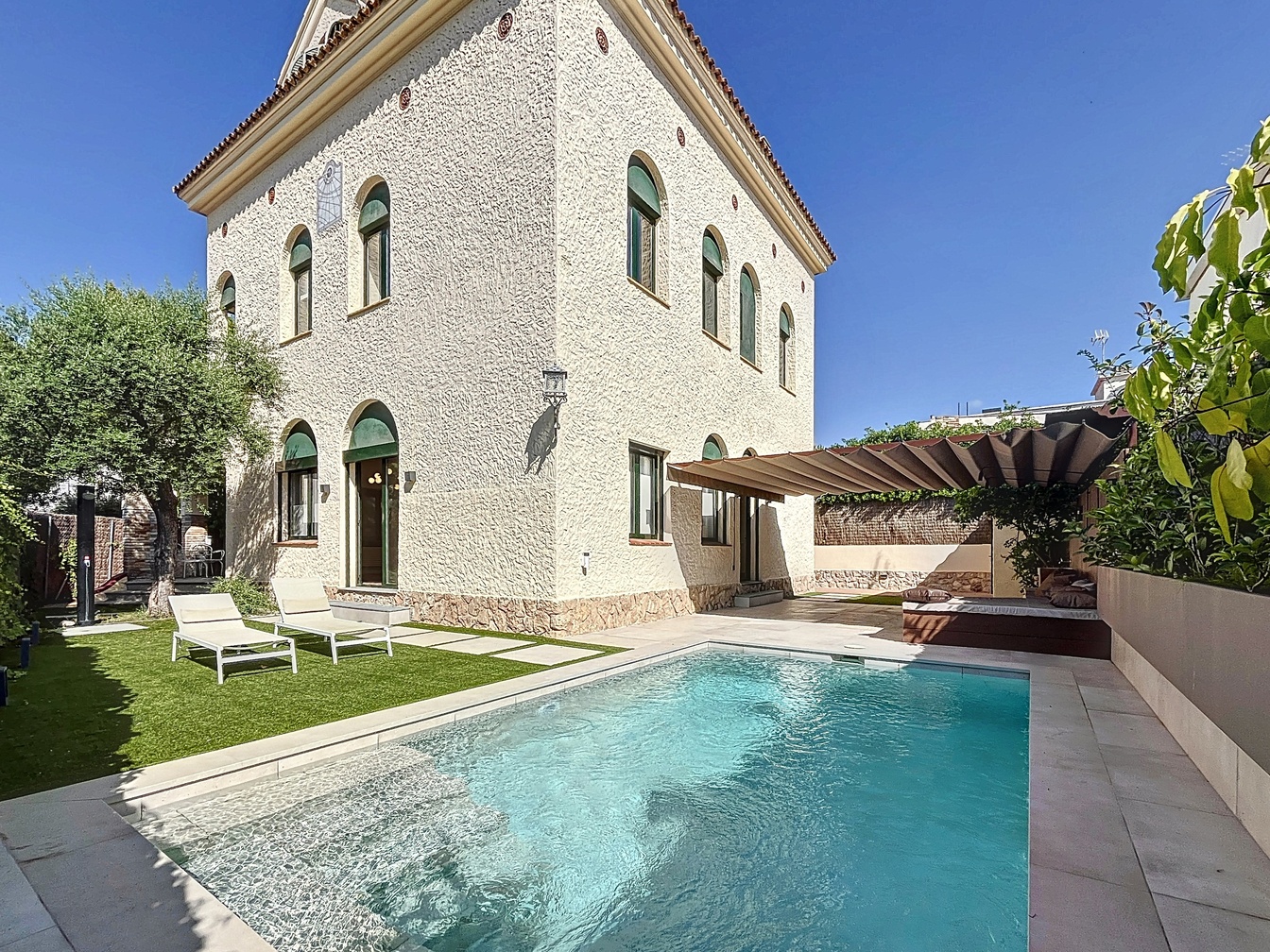
Today, Sitges combines all this historical legacy with a real estate offer of great value. Its restored modernist houses, apartments with views of the Mediterranean, and contemporary properties with unique architectural design are highly sought after by both national and international clients.
This blend of history, art, and Mediterranean lifestyle has made Sitges one of the most coveted enclaves for those looking to invest or reside in Catalonia.
Maresme, agricultural tradition and residential projection
The Maresme, located between Barcelona and the Costa Brava, has historically been a region of great agricultural importance. Its vineyards, strawberry fields, and orchards, along with its seafaring tradition, defined the lives of its inhabitants for centuries. The fertility of the land and the proximity to the sea fostered the prosperity of the area, making it a key point for the trade of wine and other agricultural products exported to Europe and America.
From the 19th century, many families enriched by overseas trade, known as Indianos, returned to the Maresme and built impressive manor houses that still mark the urban landscape of towns like Arenys de Mar, Premià, or Vilassar. These homes, along with the centennial country houses and modernist architecture, have given the Maresme an architectural heritage of enormous value.
The arrival of the railway in 1848, connecting Barcelona with Mataró, was another turning point. This connection boosted the economic and urban development of the region, facilitating the transport of goods and, later on, of residents looking to live in a quieter environment without giving up the proximity to the capital.
Today, the Maresme has established itself as one of the most sought-after residential areas, especially by families and international buyers who appreciate its balance between tradition and modernity. Its proximity to Barcelona, the quality of its beaches, its marinas, and the offer of exclusive homes —from contemporary villas to restored country houses— make it a safe bet both for living and investing.
Costa Brava, maritime essence and international appeal
The Costa Brava, named as such by journalist Ferran Agulló in 1908, was for centuries a territory of fishermen and farmers, characterized by its rugged coves, cliffs, and small fishing villages. Each town, from Blanes to Portbou, preserved its own identity, based on artisanal fishing, viticulture, and local trade. The harshness of its geography limited urban development, allowing it to maintain its authentic character for much of its history.
The big change came in the mid-20th century, when artists and intellectuals began to discover the rugged beauty of this coastline. Figures like Salvador Dalí in Cadaqués or Josep Pla in Palafrugell contributed to projecting the Costa Brava as a unique place, where the force of nature merged with cultural heritage. Since then, international tourism found here a destination with its own personality, different from the more crowded areas of the Mediterranean.
This tourist boom also boosted the real estate market, transforming old fishermen's houses into high-value second residences, and attracting investments in seafront villas, restored modernist houses, and estates surrounded by nature. Despite modernization, many of its towns have managed to preserve their original charm: cobbled streets, whitewashed houses, and human-scale marinas.
Today, the Costa Brava positions itself as one of the most exclusive areas of the Mediterranean, sought after by both local families and international buyers who value authenticity, protected natural environment, and the uniqueness of its properties. Investing in this area means acquiring not only a home but also a piece of Mediterranean history with great future value projection.
Maó, historical legacy and strategic enclave in the Mediterranean
Maó, the capital of Menorca, has been a key point in the history of the Mediterranean since ancient times. Its natural harbor, one of the largest and most protected in the world, determined its strategic importance for Phoenicians, Romans, Arabs, and later the British, who turned it into a military and commercial center during the 18th century. This multicultural heritage is still reflected today in its architecture, urban layout, and unique buildings that mark its historic center.
For centuries, Maó's economy revolved around maritime trade, fishing, and local industry, especially footwear and food. However, the richness of its historical heritage and its privileged environment marked the beginning of a transformation from the 20th century onwards, attracting visitors and new residents in search of authenticity and quality of life.
Maó's historic center preserves a valuable collection of manor buildings, houses with British colonial influences, and palaces adapted today as exclusive residences. This is complemented by modern properties facing the sea and designer villas in the most privileged areas of the municipality. Its harbor, full of restaurants, galleries, and cultural spaces, has become a cosmopolitan meeting point without losing its local character.
Today, Maó represents the fusion of history and modernity. Those who invest in this area not only acquire a home but also a place with international projection and its own identity, marked by its historical legacy and privileged location in the Mediterranean.
The value of the past, the security of the present with Atipika
The evolution of enclaves like Sitges, Gavà Mar, the Costa Brava, the Maresme, or Ciutadella demonstrates how history, culture, and nature have shaped some of the most unique places in the Mediterranean. Today, these settings offer a unique real estate market, where each property reflects not only a lifestyle but also a legacy with lasting value.
At Atipika, we have been accompanying our clients for over 25 years in the purchase, sale, and rental of exclusive properties in Catalonia and the Balearic Islands. We are closely familiar with the richness of these areas and carefully select each property to ensure a safe investment with future projection.
If you are considering acquiring a property in one of these historically significant destinations, or wish to enhance the value of your own, our team of experts will offer you comprehensive, transparent, and multilingual service. Because at Atipika, we don't just manage properties: we help you become part of a Mediterranean tradition that endures over time.
Click here to contact us.
 Castellano
 Català
 English
 Francais
 Italiano
 русский