A few weeks ago we talked about Casa Batlló, as we are lucky enough to have it in front of our office, and today we would like to talk about another of
Antonio Gaudí’s jewels which is also near our office in
Passeig de Gràcia 56,
Casa Milà – also known as ‘
La Pedrera’.
The construction of this building was commissioned in
1906 to Gaudí by the owners of the plot of land, Pere Milà i Camps and his wife Roser Segimon i Artells, who wanted a
stately home with an
innovative design. The works suffered several delays because of several different reasons and the building got itself into some misunderstandings, until in
1912 Gaudí certified the end of the works.
The building has
six floors which surround two inner courtyards, a
basement, an
attic and the
rooftop. What not many people know is that a unique façade hides two attached buildings with separate entrances, each with their inner courtyard, which only connect on the lower floor.

What stands out the most about the building is, obviously, its
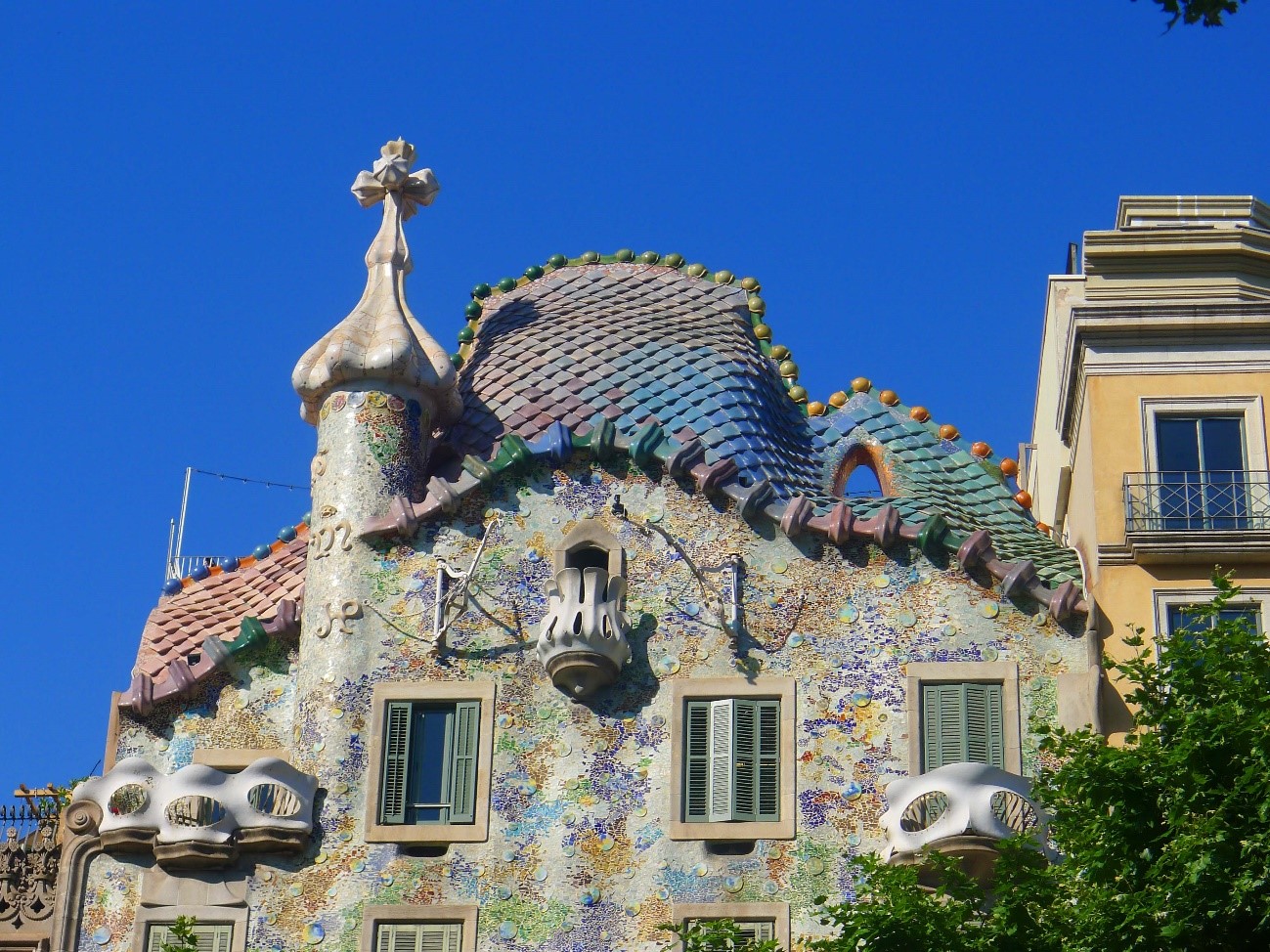
wavy façade, which gives a feeling of continuous movement accentuated by the interplay of lights and shadows along the day. The
wrought iron balconies contrast with the soft tonalities in the façade, and are decorated with abstract motives which seem to simulate seaweeds and aquatic plants.
The
rooftop is worth mentioning – it is not made of calcareous stone as the façade is, it is mostly covered in white tiles. Here we find the
exit of the stairs, which are small conic towers covered in
trencadís, of around 7 metres high, and
ventilation towers with different designs. The famous
chimneys are the most admired element – there are 30 in total –, and are placed all along the surface. The ochre tone and their shape, usually ending in a sort of warrior helmet on the top, has raised hundreds of questions and theories about their inspiration and origin. The rooftop has several levels and flights of stairs and together with the ‘garden of sculptures’ mentioned, they make it a
magic and unique place.
The
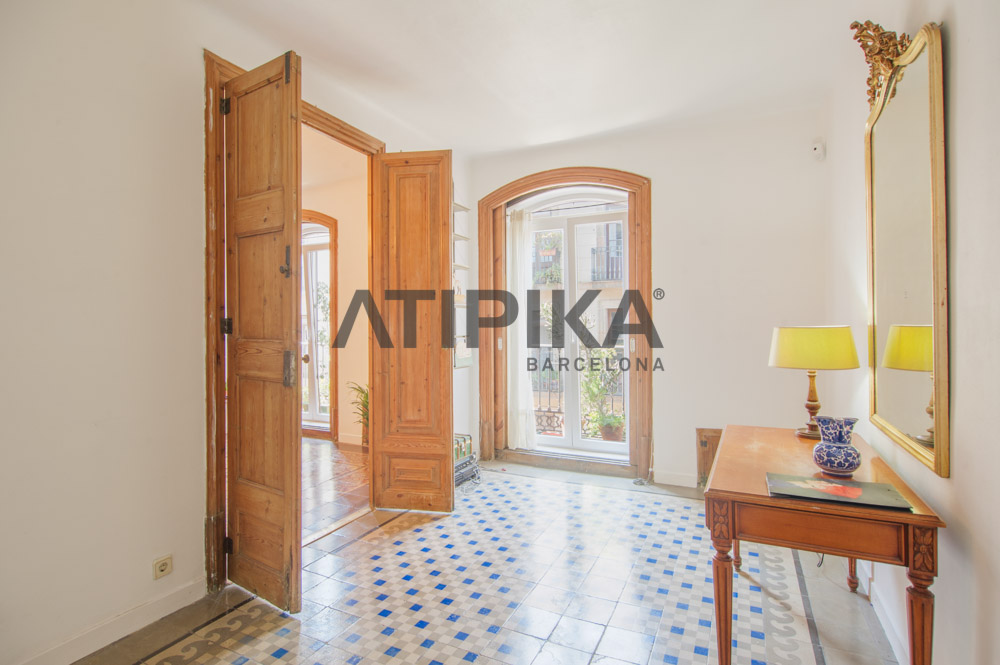
interior decoration and design is not less curious and many painters, interior decorators and sculptors participated in the last stages of the construction. The marine details are also present inside the building – we can find suspended ceilings simulating waves and sea animals – and there are also great
paintings in some of the walls.
If you wish to live in one of the most important arteries of the city, we have several properties in our portfolio which may interest you. Do not hesitate to
contact us for advice, we will help you in your search.
 Castellano
 English